

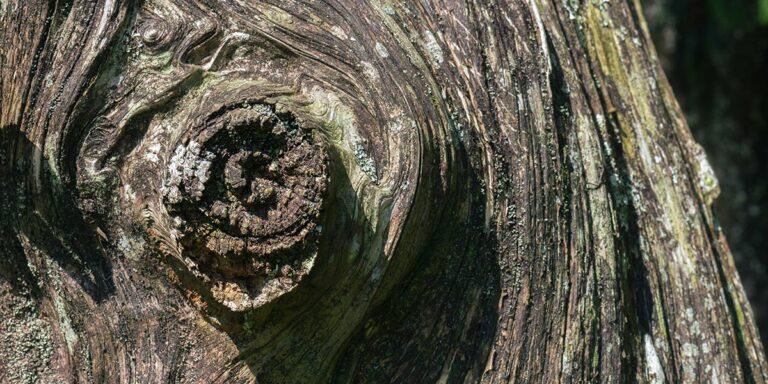
Not all tree trunks have a uniform surface. Some may have hollow cavities, while others could have a noticeable lump, also known as a burl, bulging out. What causes burls on trees, and are they something you should be concerned about?
Our team at Schneider Tree Care is here to explain everything you need to know. Count on our experts for professional tree services in Huntersville, NC, and the surrounding areas.
What It Means if Your Tree Grows a Burl
You might be taken aback when you notice a rounded lump of bark growing along the base of your tree. Chances are, you’ve come across a burl that gives the tree character. While these deformities may seem alarming at first, they usually pose no threat to the tree.
Bear in mind that burls are just one of many possible tree growth abnormalities. Other masses, such as burr knots and cankers, can significantly affect the tree’s health if you don’t address them right away. Consult a knowledgeable arborist if you need help identifying a growth on your tree’s trunk.
Common Causes of Tree Burls
What causes burls on trees? Environmental stress tends to be the leading cause, which can be exacerbated by the following:
- Insect infestations: A horde of pests feeding on wood and foliage can be incredibly stressful for the impacted tree. As a result, a portion of the trunk may bulge out.
- Fungal infections and disease: Even if a tree is able to recover from a fungal infection, the initial impact can throw off the vegetation’s growth patterns, leading to burls.
- Genetic mutations: Research suggests that certain tree species are more prone to forming burls under stress. A species with the genetic predisposition could grow these deformities.
- Physical trauma: If you damage some of the trunk with yard equipment, it may grow a burl in response to the injury.
Can You Cut Off Wood Burls?
Suppose your oak tree has a fairly large burl growing on the trunk. You prefer the surface to be uniform all the way around and want to cut off the growth. Is this a good idea?
Experts advise against removing burls. Leaving them won’t cause any harm to the tree. However, cutting them off can wound the delicate cambium layer beneath the bark.
You may subject your tree to serious injuries that it can’t easily recover from. Cutting off the burl could turn your once-healthy tree into a decaying one. Consider your tree’s long-term health before you make any major cuts to the trunk or canopy.
Consult an Arborist for More Information
Now that you know what causes burls on trees and how to address them, you can better maintain your vegetation. For additional tips to keep your trees healthy, reach out to our knowledgeable arborists at Schneider Tree Care. We have been proudly serving Huntersville and the surrounding areas for more than 25 years and have the tools and expertise to address any tree-related concern.
Don’t hesitate to contact us for help. Call (864) 244-3088 today to request a service.